Six of the nine Reserve Bank of Australia board members judged that the cash rate was "not clearly sufficient" to contain inflation when they voted to raise it to 4.85% this month, according to minutes of the November meeting released on Tuesday and reported by investingLive. The other three members preferred to keep the rate at 4.60%, warning the economy could be close to a materially sharper downturn.
The 25 basis point increase was the fifth of the year, the report said.
Why the majority hiked
According to the minutes, the majority said forward-looking inflation pressures had risen and that the risks remained to the upside. They argued that leaving policy too loose, and letting inflation expectations drift higher, was the bigger danger compared with tightening too much.
Members pointed to strong inflation in market services, persistent growth in unit labour costs and broad cost pressures reported by business contacts. RBA staff have also revised up their estimate of the unemployment rate consistent with stable inflation, implying the labour market was tighter than previously thought. Members noted the neutral interest rate had likely risen, which makes any given cash rate less restrictive.
The case for holding
The three dissenters wanted time to assess the 100 basis points of tightening already delivered this year. They gave more weight to risks to growth, citing a half-point rise in unemployment over six months, the housing downturn and fragile sentiment around data centre investment, investingLive reported.
Oil is the swing factor
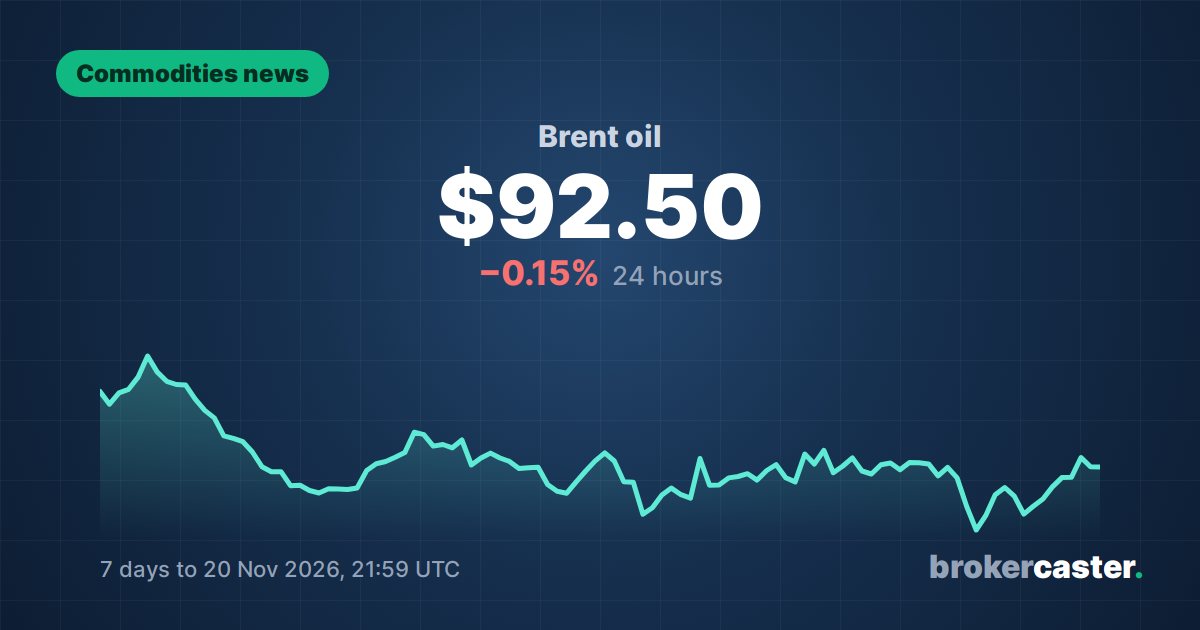
The Middle East conflict featured heavily in the discussion. Members noted that crude and refined fuel prices had risen 20% to 25% since August. The RBA's forecasts assume oil prices fall by around US$30 a barrel over two years, an assumption the minutes said leaves significant upside risk if prices stay high. Staff also expect headline inflation to jump in October as last year's energy subsidies drop out.
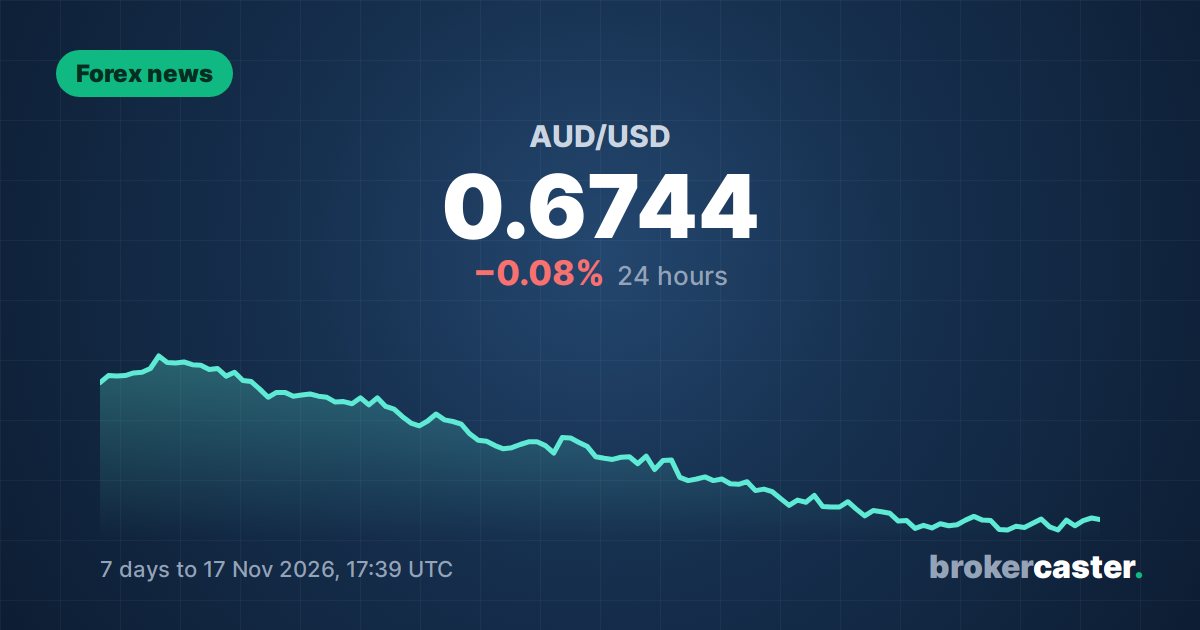
The board offered no explicit forward guidance, saying it will stay attentive to the data. Earlier on Tuesday, Governor Michele Bullock said inflation risks are still skewed to the upside. investingLive described the minutes as leaning hawkish, with the Australian dollar near 0.6730 at the time of the report.
What it means for traders
- The minutes matter most for the Australian dollar, including AUDUSD, as well as Australian stock index CFDs.
- Australian wage data on Wednesday and October jobs figures on Thursday are the next tests; see the exact release times on our economic calendar and compare the RBA with other central banks on the interest rates page.
- Spreads on AUD pairs can widen around Asian-session data releases; check your broker's spreads, margin and trading hours for these pairs before the numbers come out.
Source: investingLive