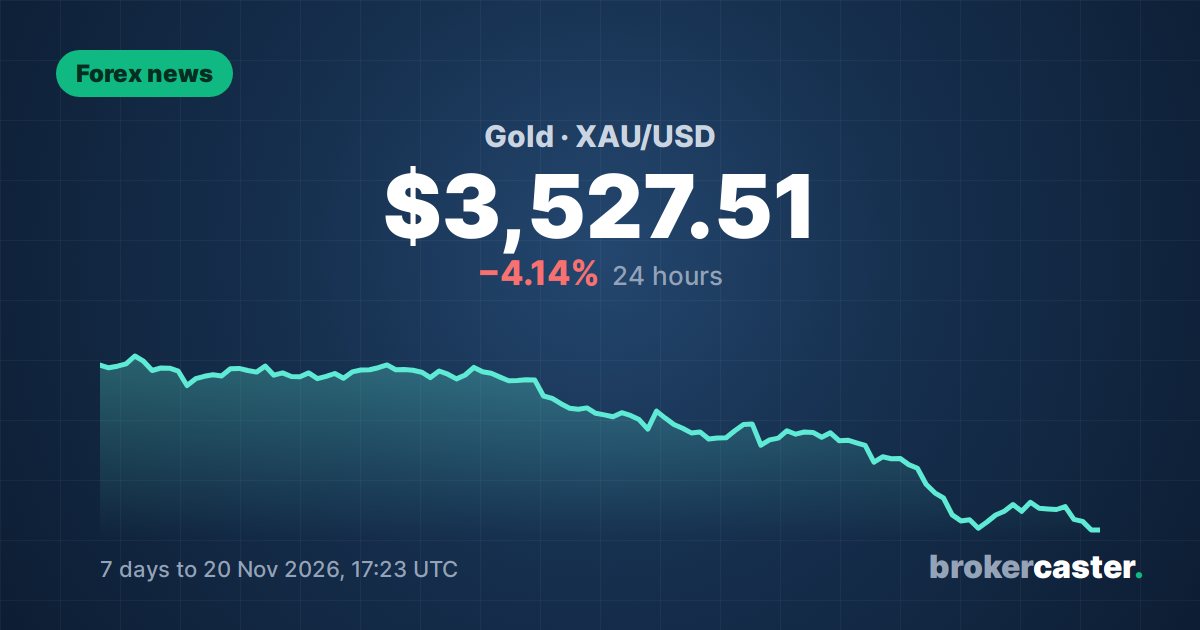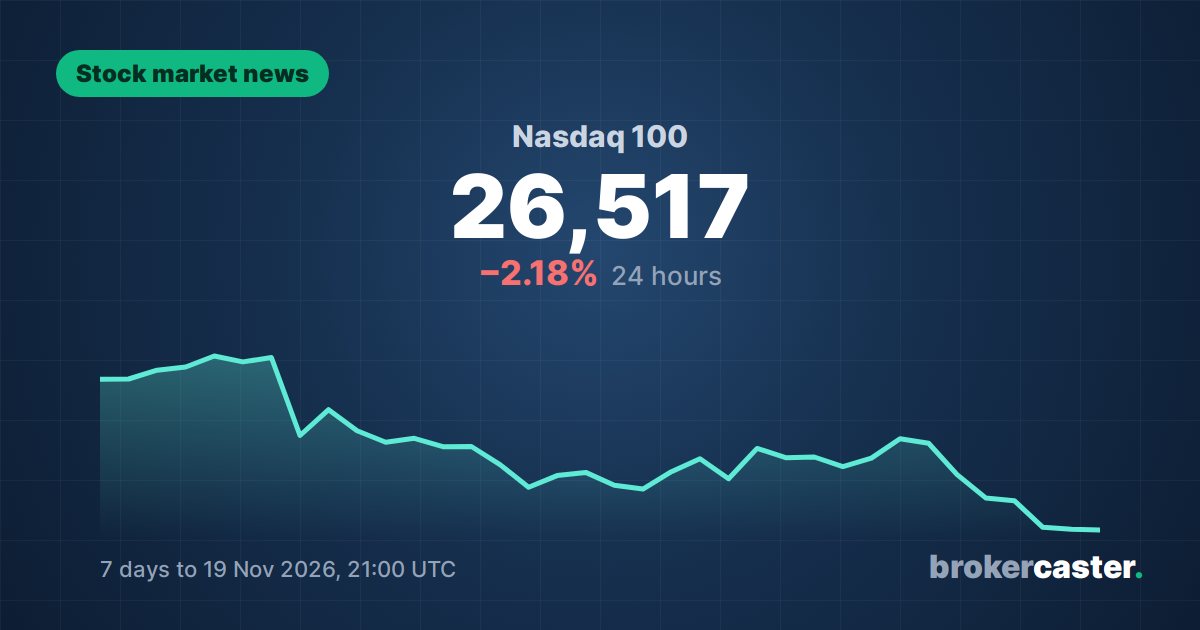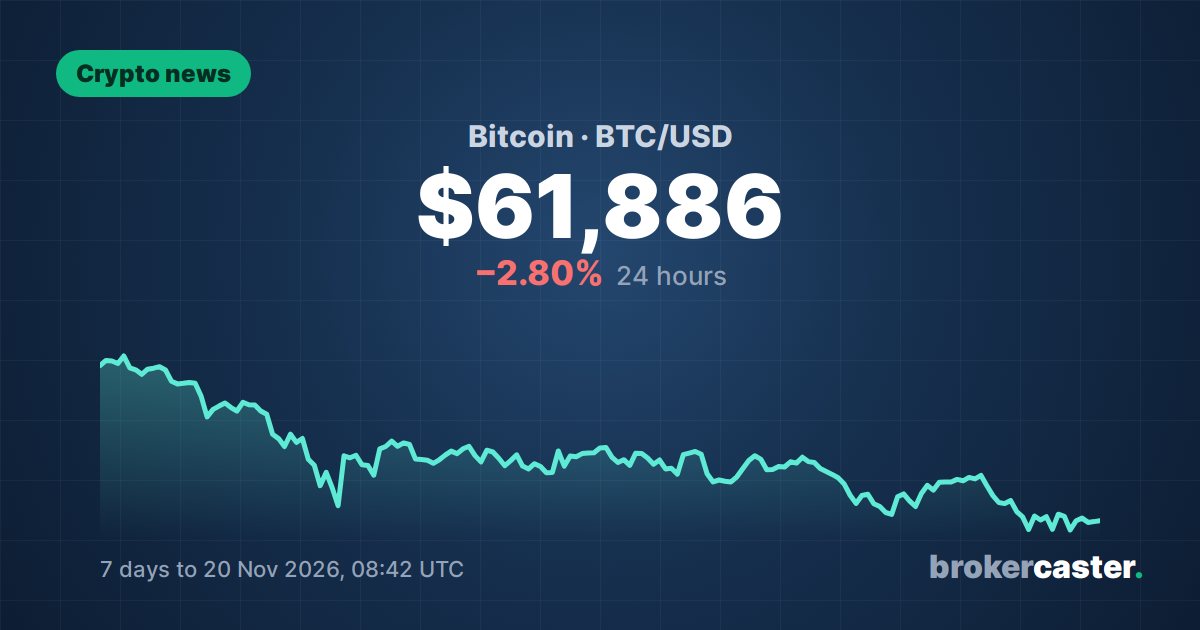
Bitcoin fell below $62,000 on Friday, extending its November decline, according to FinanceFeeds. The largest cryptocurrency traded around $61,943 during Asian hours after moving between roughly $61,375 and $64,056 over the previous 24 hours, the outlet reported, citing market data. Ether also weakened, trading near $1,750.
The drop came after a brief recovery on 19 November, when Bitcoin rose above $63,500 before renewed selling erased the gains, FinanceFeeds said.
ETF withdrawals accelerate
Outflows from US spot Bitcoin exchange-traded funds have been a key source of pressure. According to Farside Investors data cited by FinanceFeeds, the funds recorded $582.3 million in net outflows on 19 November, close to double the $306.5 million withdrawn in the previous session.
BlackRock's iShares Bitcoin Trust (IBIT) accounted for $541.1 million of the redemptions, about 93% of the total. Fidelity's FBTC lost $45.9 million, ARK 21Shares' ARKB $31.3 million and Grayscale's GBTC $13.9 million. Morgan Stanley's Bitcoin ETF went the other way, taking in $49.6 million. Over the first four sessions of the week, net outflows reached about $1.12 billion, the report said.
Leverage has also been cut back. Bitfinex reported that around $2.01 billion in leveraged crypto positions were liquidated within 24 hours during the 14-15 November selloff, with long positions making up 83% of the total, according to FinanceFeeds.
Fed outlook weighs on risk assets
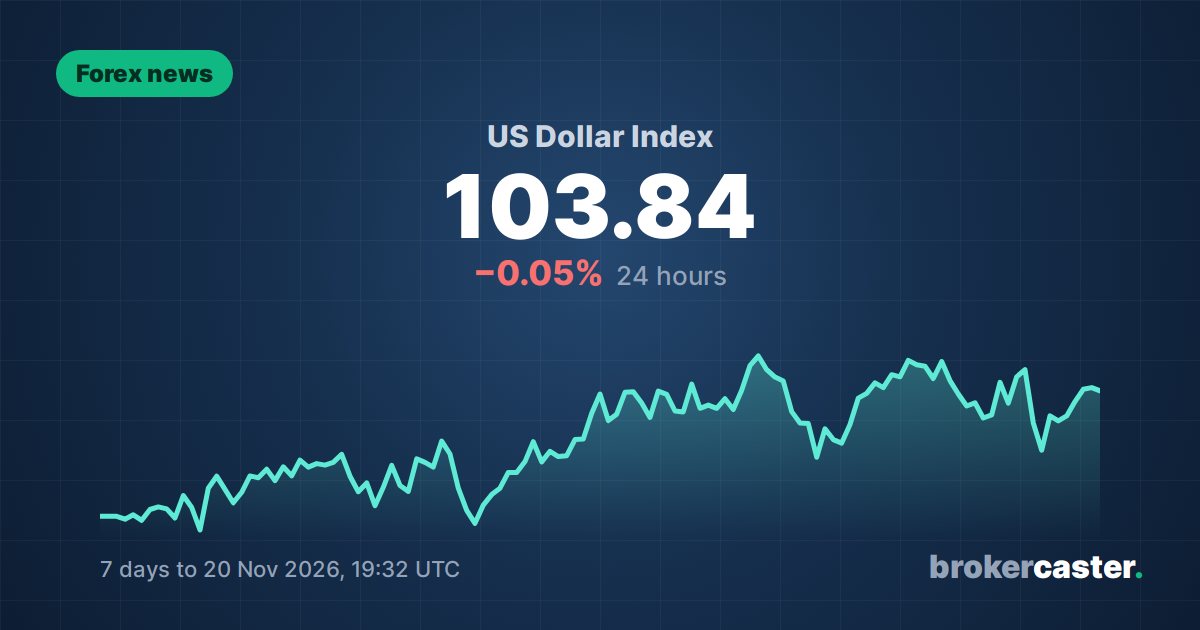
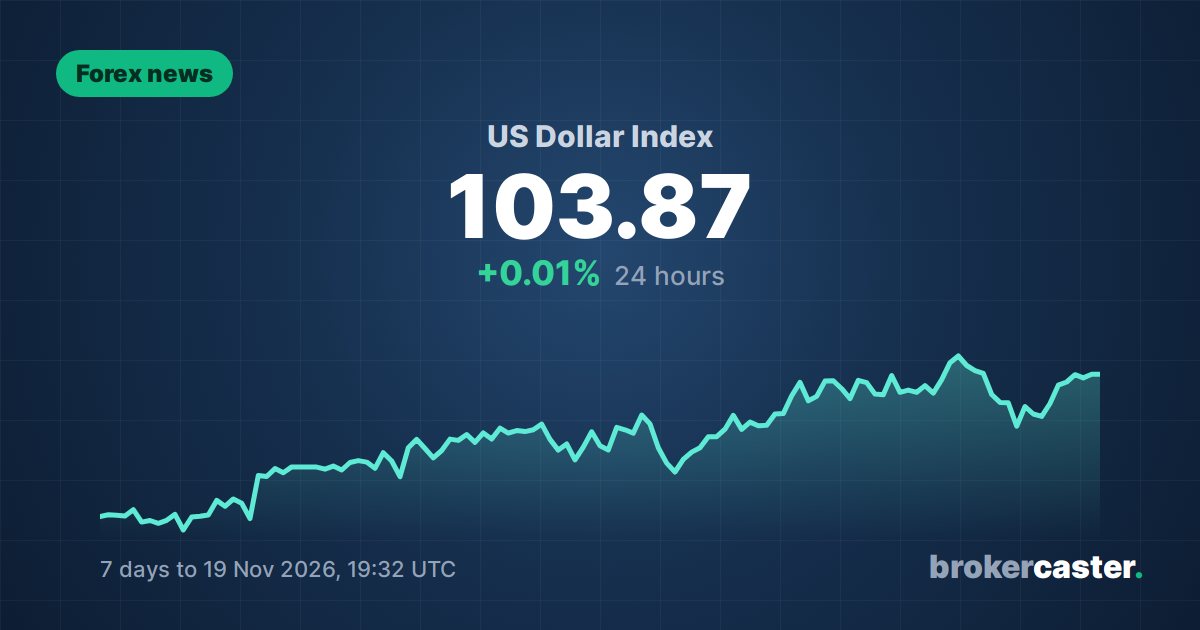
Minutes of the Federal Reserve's October meeting reinforced expectations that US rates could stay high or rise further, the outlet said, adding that a stronger US dollar has coincided with Bitcoin's weakness. In a 16 November report, Bitfinex described the $61,300-$67,000 area as an important range set in July and August and estimated that about 1.4 million BTC were bought between $60,000 and $65,000. FinanceFeeds said the decline reflects a mix of institutional withdrawals, lower leverage and macro uncertainty rather than one clear trigger.
The latest Fed decisions and other central bank rates are on our interest rates tracker.
What it means for traders
- Bitcoin and Ether CFDs are the most directly affected, and crypto has been moving with the US dollar and Fed rate expectations.
- Daily US spot ETF flow figures and upcoming Fed speakers and US data on the economic calendar are the next things to watch.
- Check your broker's margin requirements, leverage limits, weekend trading hours and overnight financing on crypto CFDs, as these often change when volatility rises.
Source: FinanceFeeds