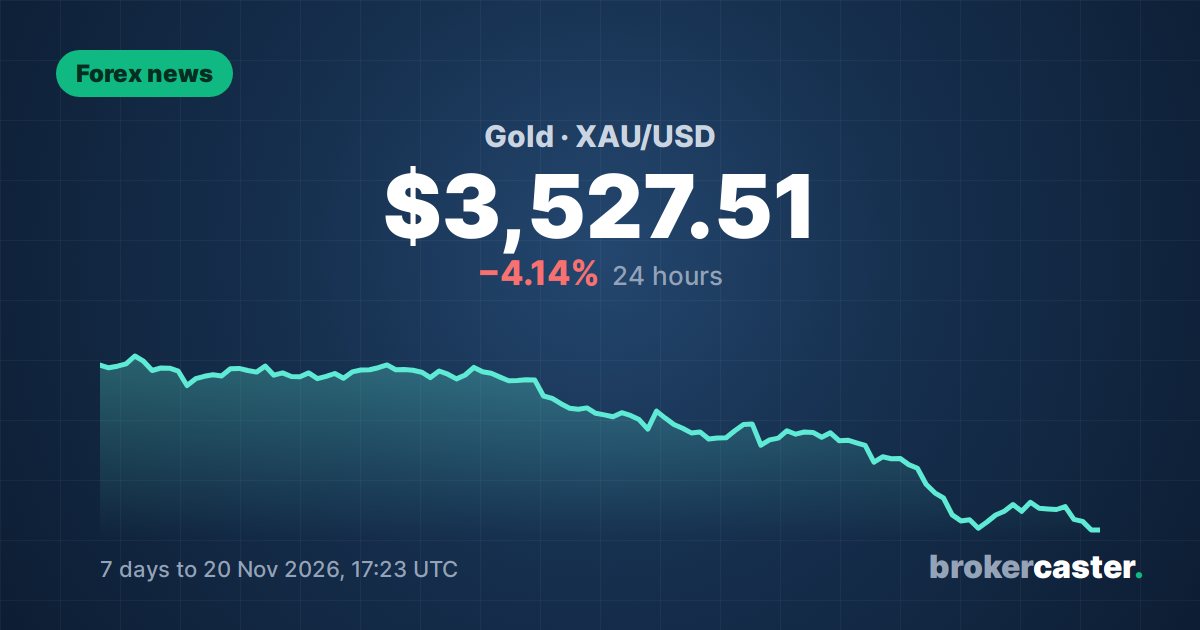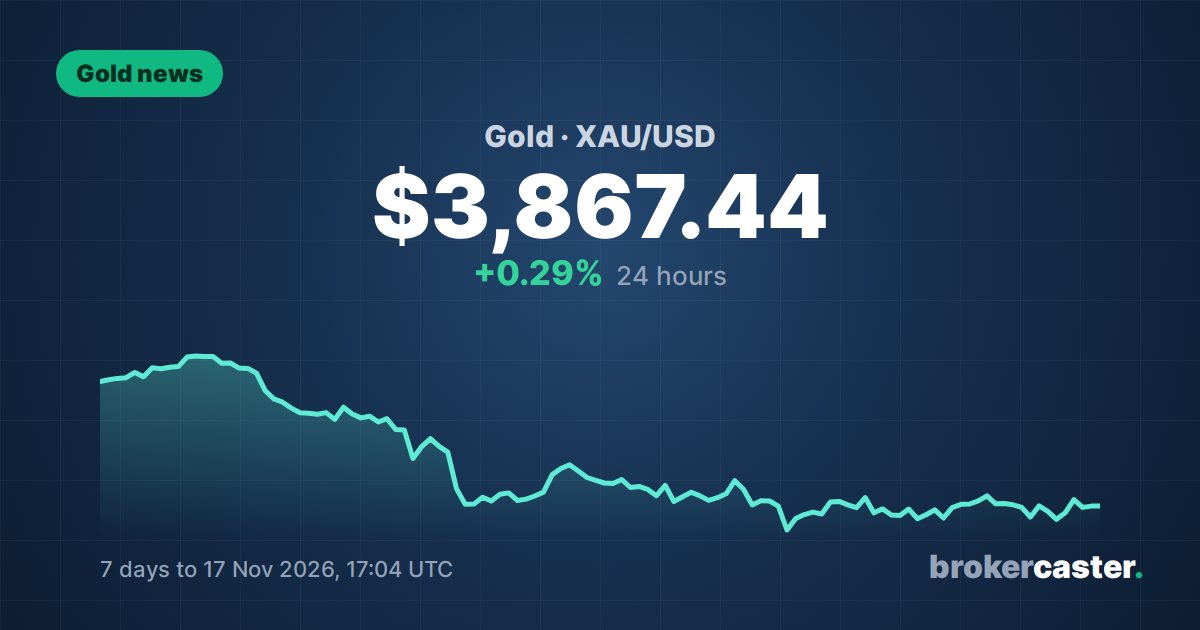
Gold dropped to a one-year low on Monday, touching around $3,830 an ounce, according to investingLive, citing a Reuters analysis. That is the weakest level since early October 2025 and more than 30% below January's record of about $5,595. The metal is on course for its worst calendar year since 2015, the report said.
Spot gold was trading near $3,860 early in the Asian session on Tuesday, holding just above the $3,800 area that analysts quoted in the report are watching closely.
Rates and the dollar in the driver's seat
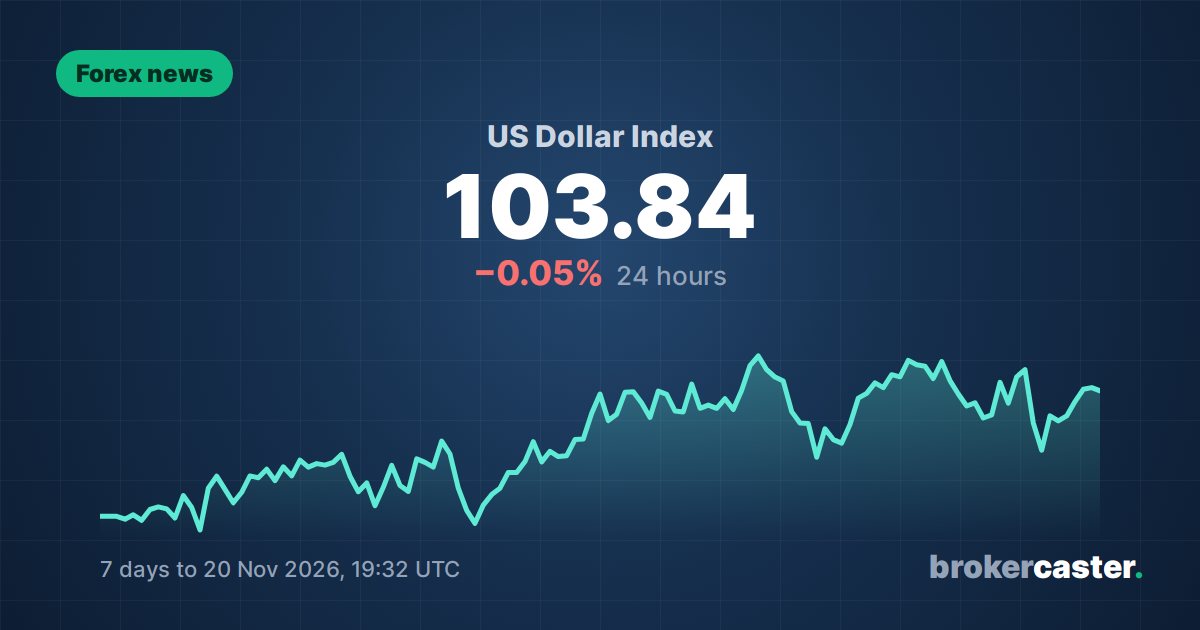
According to the report, the main pressure is coming from interest rates rather than geopolitics. Markets expect the Federal Reserve to raise rates by 25 basis points in December, with a small chance of a bigger move, and the 10-year Treasury yield is back above 5%. The US dollar is hovering near its highest level since April 2025, which makes bullion more expensive for buyers paying in other currencies.
The war involving the US, Israel and Iran has lifted oil prices and inflation. Gold is often treated as an inflation hedge, but investingLive noted that it "tends to lose its appeal when rates are rising", because higher oil feeds inflation and, in turn, expectations of Fed hikes.
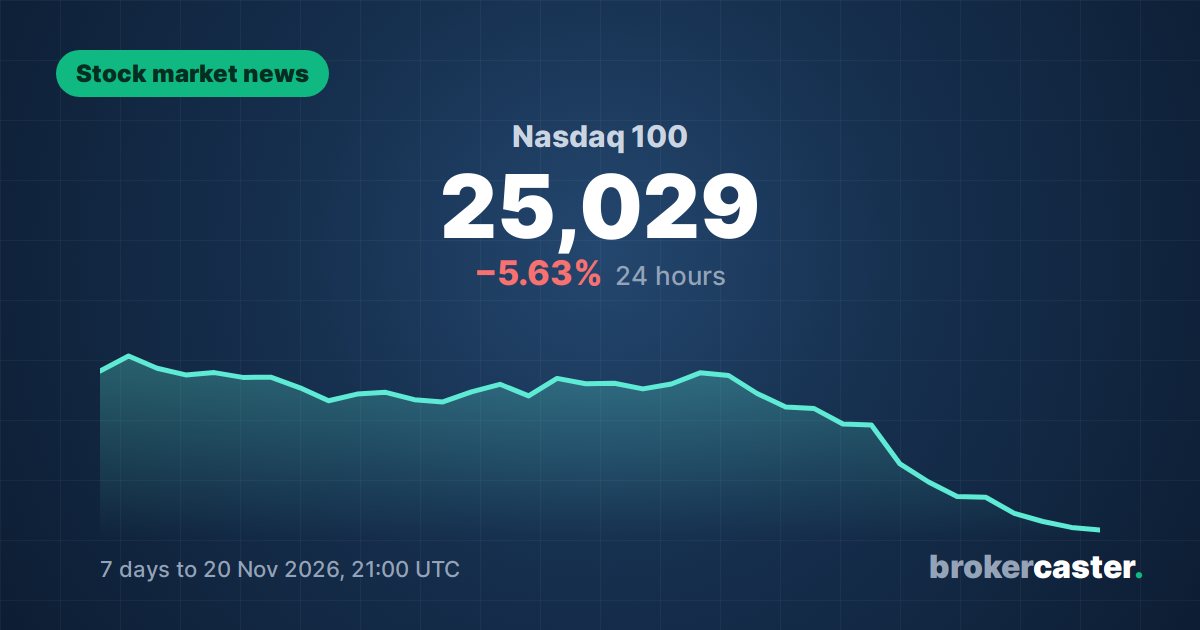
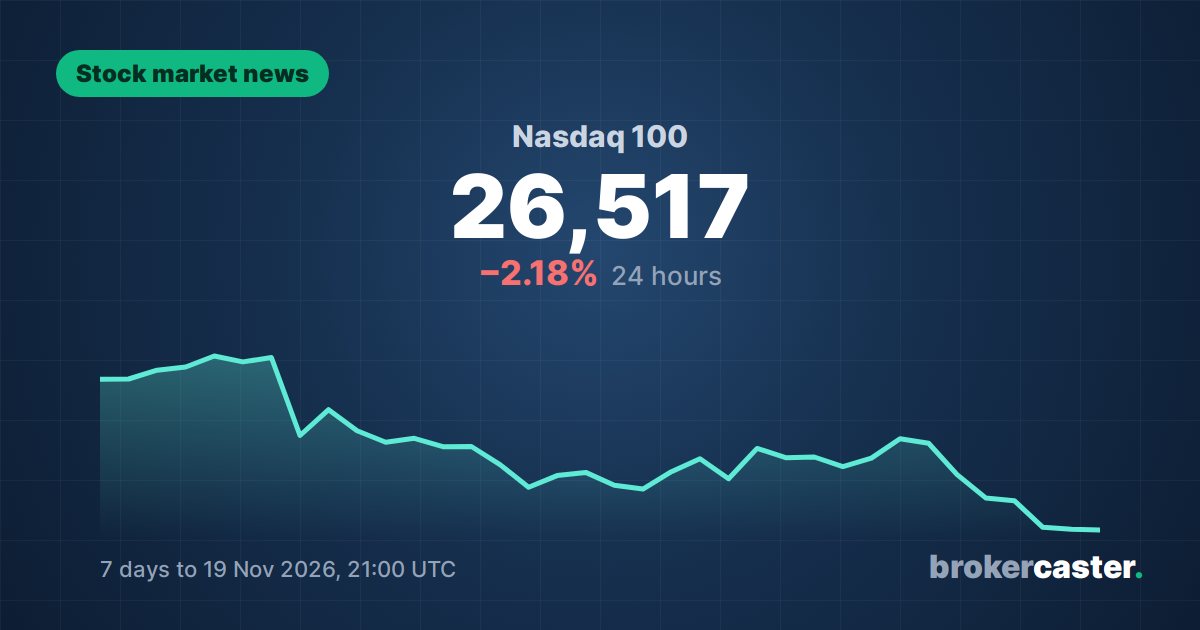
Some analysts pointed out that gold lost almost 7%, or roughly $290, within a few days last week, a faster fall than changes in rate expectations alone would explain. They warned that holders of exchange-traded funds could start selling into the weakness. Others linked the move to stress in equities, noting that Nvidia's market value is down about $1.9 trillion since early October, and said gold is often sold to raise cash in the short term.
Goldman Sachs has cut its gold forecasts twice this month, according to the report.
Longer-term demand is mixed
Physically backed gold ETFs took in 211 metric tons in the third quarter, and central banks bought 675 tons in the first nine months of the year, the report said. However, Poland, the most active official buyer, has reached its 700-ton reserve target, and demand for bars and coins has fallen sharply. China remains a steady buyer. Some analysts argue that this official and ETF demand may limit the correction, but not necessarily stop short-term weakness if yields and the dollar keep climbing.
What it means for traders
- The moves touch gold (XAUUSD) directly, and the report also flagged extra pressure on the Australian dollar, which is already near its weakest levels since January.
- The December FOMC decision and upcoming US inflation releases are the main scheduled catalysts; check dates and times on the economic calendar and compare policy settings on our central bank interest rates page.
- Sharp moves in gold can come with wider spreads and higher margin requirements; check your broker's gold contract specifications, swap rates and trading hours before key data releases.
Source: investingLive