US commercial crude oil inventories rose by 3.4 million barrels in the week ending 13 November, according to data from the US Energy Information Administration (EIA) released on Wednesday. Analysts had expected a build of only about 58,000 barrels, investingLive reported.
The increase took commercial crude stocks to 417.8 million barrels, which is 3% below the five-year average for this time of year, according to OilPrice.com. Total commercial petroleum inventories climbed by 9.2 million barrels.
The official figures followed private data from the American Petroleum Institute a day earlier, which had shown a 5.3 million barrel rise in crude stocks, OilPrice.com said.
Fuel stocks also build
Gasoline inventories rose by 5.2 million barrels against expectations of about 1.6 million, while distillate stocks gained 1.6 million barrels versus a forecast of roughly 1.3 million, according to investingLive. OilPrice.com reported that distillate inventories are now 7% below the five-year average and that average daily gasoline production fell to 9.4 million barrels.
On the demand side, total products supplied, a proxy for US oil consumption, averaged 20.6 million barrels per day over the past four weeks, down 0.3% from a year earlier. Gasoline demand averaged 8.7 million barrels per day, while distillate demand was up 4.3% year on year, OilPrice.com said.
Prices slip
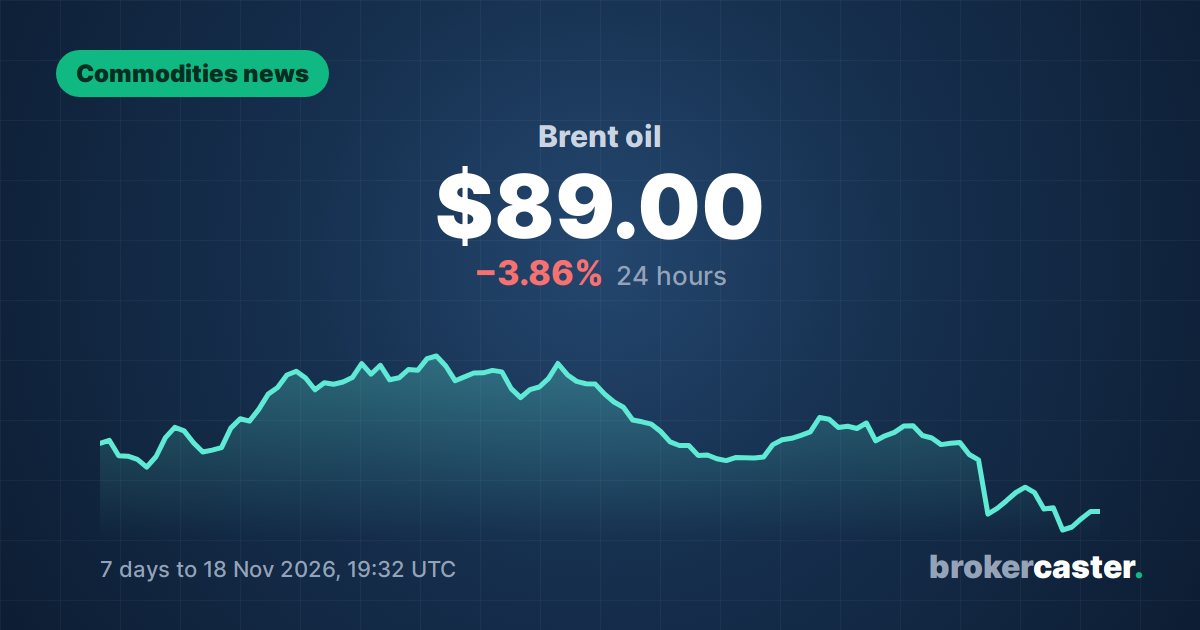
Crude futures were already lower before the release. Brent traded at $91.93 a barrel on Wednesday morning in New York, down $1.21 or 1.44% on the day, while WTI fell $1.70 or 1.98% to $84.31, according to OilPrice.com. investingLive said WTI extended its losses by around 50 cents after the report.
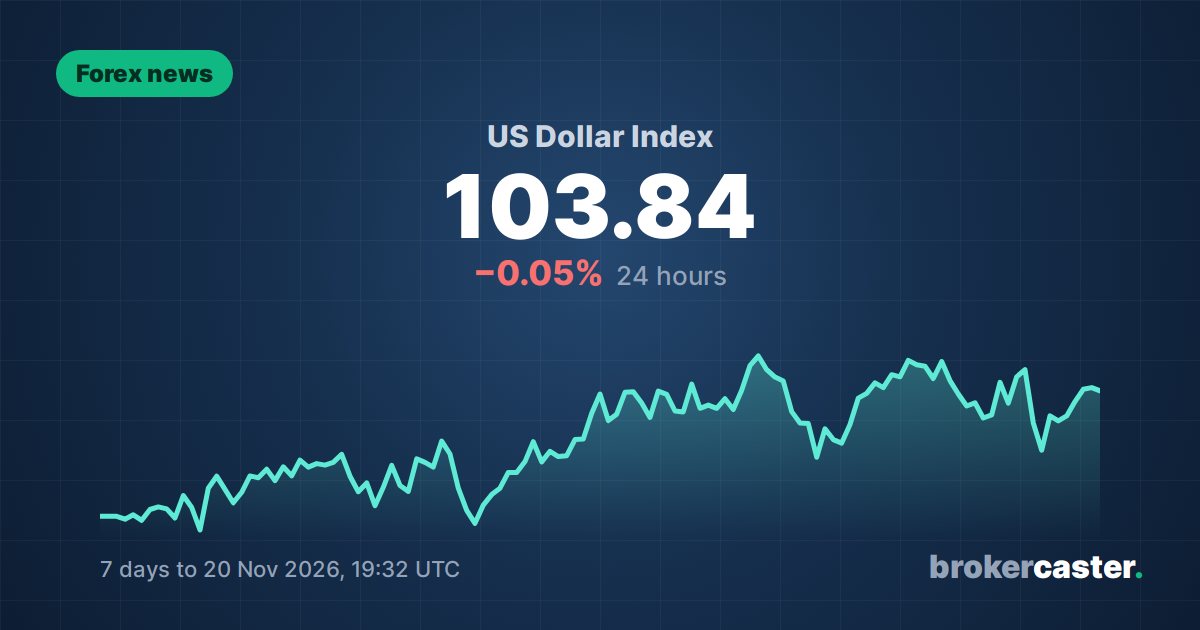
The data adds to the supply side of the debate for oil traders, who are also watching attacks on shipping around the Strait of Hormuz linked to the US-Iran conflict. A stronger US dollar, driven by expectations of further Fed rate hikes listed on our central bank rates page, is another headwind for dollar-priced commodities.
What it means for traders
- Brent and WTI CFDs react first, but oil-linked currencies such as the Canadian dollar (USD/CAD) can also move on inventory surprises.
- The next EIA weekly petroleum report and the OPEC+ ministerial meeting are the scheduled events to watch; times are on the economic calendar.
- Oil CFD spreads often widen around the 10:30 a.m. ET release, and contract rollovers can change prices, so check your broker's trading hours and rollover dates.
Source: OilPrice.com, investingLive