Bank of Japan Governor Kazuo Ueda said on Wednesday that the central bank will keep raising its policy rate in line with economic, price and financial developments, according to investingLive. The remarks keep a rate increase at next month's policy meeting on the table, with the policy rate currently at 1.25% and markets widely expecting a hike in December, the report said.
Ueda said it was important to see inflation anchored around the bank's 2% target and noted that financial conditions remain accommodative, investingLive reported. The BOJ held its rate at 1.25% in October, when Ueda said underlying inflation had reached 2% and signalled strong prospects for a December move.
The food tax cut question
Much of Ueda's comments addressed the government's planned cut to the consumption tax on food. He said its impact was likely to be limited but described the effect on the economy and on underlying inflation as "highly uncertain" for now. The bank will assess how the cut feeds through to underlying inflation and set policy accordingly, he said.
A lower tax on food would mechanically reduce headline inflation once it takes effect. investingLive noted that Ueda's focus on underlying inflation suggests the BOJ is unlikely to treat a tax-driven drop in prices as a reason to stop hiking, while his caution leaves room to adjust if the cut lifts spending more than expected.
Data backdrop
The comments followed trade figures released earlier on Wednesday showing Japanese exports up 20.5% in October and a trade deficit about half the size economists had expected, according to investingLive. Third-quarter GDP contracted slightly, but the bank has pointed to firm wage growth as the stronger signal.
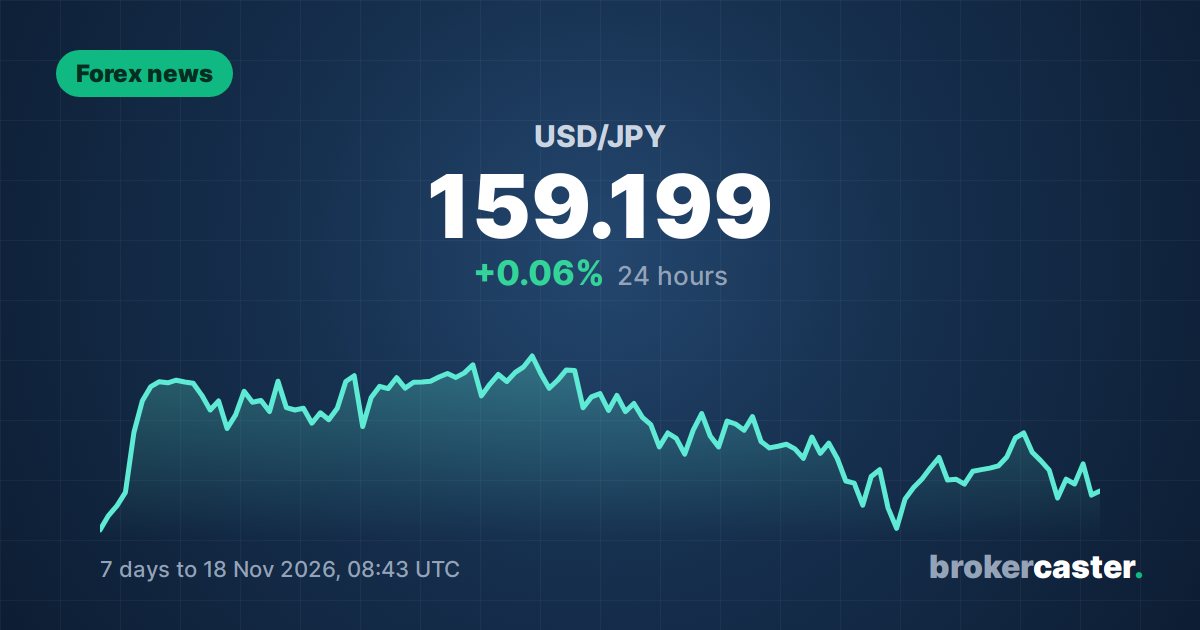
With the Federal Reserve also on a hiking path, the interest rate gap continues to dominate USD/JPY, which investingLive said was holding near 160, a level where Tokyo has warned about intervention. You can compare the BOJ's rate with other major central banks on our central bank interest rates page.
What it means for traders
- Yen pairs such as USD/JPY, EUR/JPY and GBP/JPY are most exposed to any shift in BOJ expectations, along with Japanese stock indices.
- Japan's national inflation data on Friday is the next scheduled test before the December meeting; check the time on our economic calendar.
- Official warnings or intervention near the 160 area can cause sharp yen moves: check your broker's margin requirements, stop-out level and how spreads widen around Tokyo announcements.
Source: investingLive