Australia's unemployment rate rose to 4.9% in October from 4.7%, according to data from the Australian Bureau of Statistics reported by investingLive. Economists had expected the rate to hold at 4.7%. It is now the highest since late 2021.
Employment fell by 43,500, against forecasts for a gain of 25,000, after a drop of 39,300 in September. Taken together, the two months show a loss of more than 80,000 jobs, the report said.
A weak mix beneath the headline
Part-time employment fell by another 40,600 in October, while full-time jobs slipped by 2,900, according to investingLive. Economists had expected part-time work to recover after its September slump. The participation rate also fell, to 66.6% from 66.8%. In other words, fewer people were looking for work, and yet a larger share of those who were could not find a job.
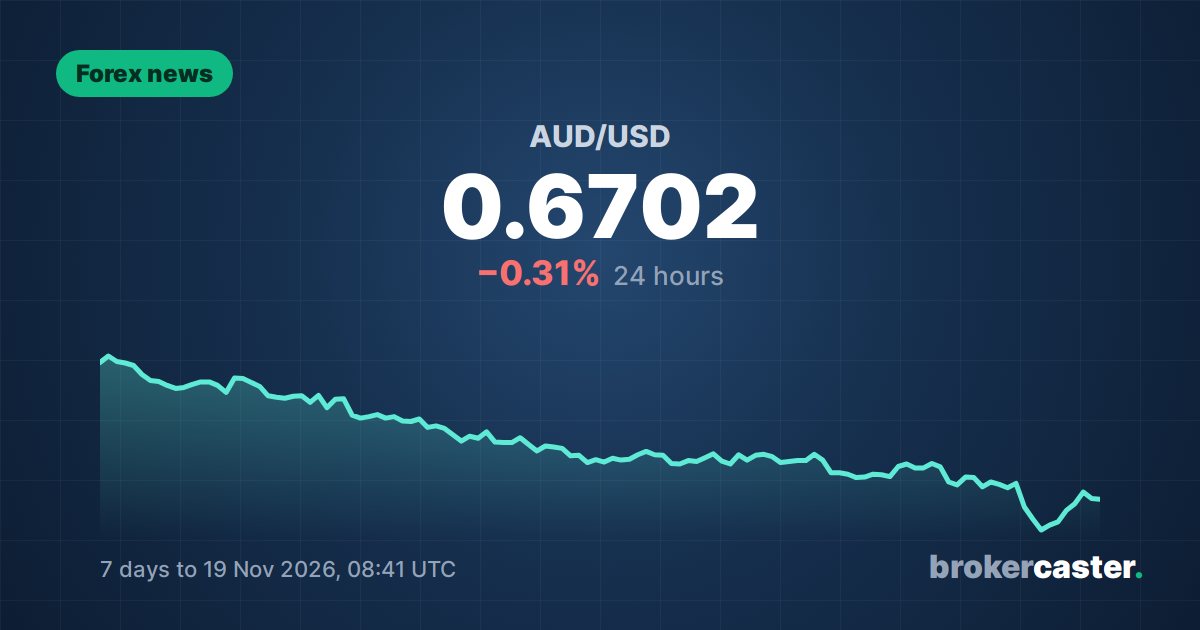
The Australian dollar fell after the release and slipped below 0.6700, under the 10-month low it had touched earlier in the week, the report said.
Pressure on the RBA
The data land in the middle of a split at the Reserve Bank of Australia. Minutes released on Tuesday showed that three of the nine board members voted against November's hike to 4.85%, warning that the economy might be close to a sharper downturn. The RBA's own forecasts had unemployment reaching 4.9% only by the end of this year, so the labour market has weakened faster than the central bank expected.
Inflation, however, remains a problem. Headline inflation is running above 4%, and wage data on Wednesday showed annual wage growth of 3.5% in the September quarter, according to investingLive. The report argued that two straight monthly declines in employment make further hikes unlikely, with a December move already largely priced out before the release, and that the debate is shifting to how long rates stay at 4.85%.
The data also widen the contrast with the United States, where four Federal Reserve officials argued for more rate hikes this week. You can compare the current policy rates of the RBA, the Fed and other central banks on our central bank interest rates page.
What it means for traders
- AUD/USD, AUD/JPY and other Australian dollar crosses are most exposed to changes in RBA rate expectations; see our AUD/USD page for the live price.
- Watch the next Australian inflation and RBA releases on the economic calendar, as they will show whether the board shifts its view.
- Spreads on AUD pairs can widen around Australian data releases in the Asian session; check your broker's typical and minimum spreads and margin requirements for those pairs.
Source: investingLive